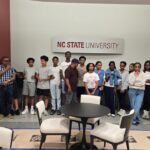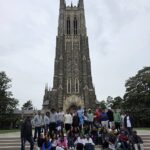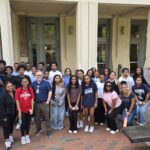
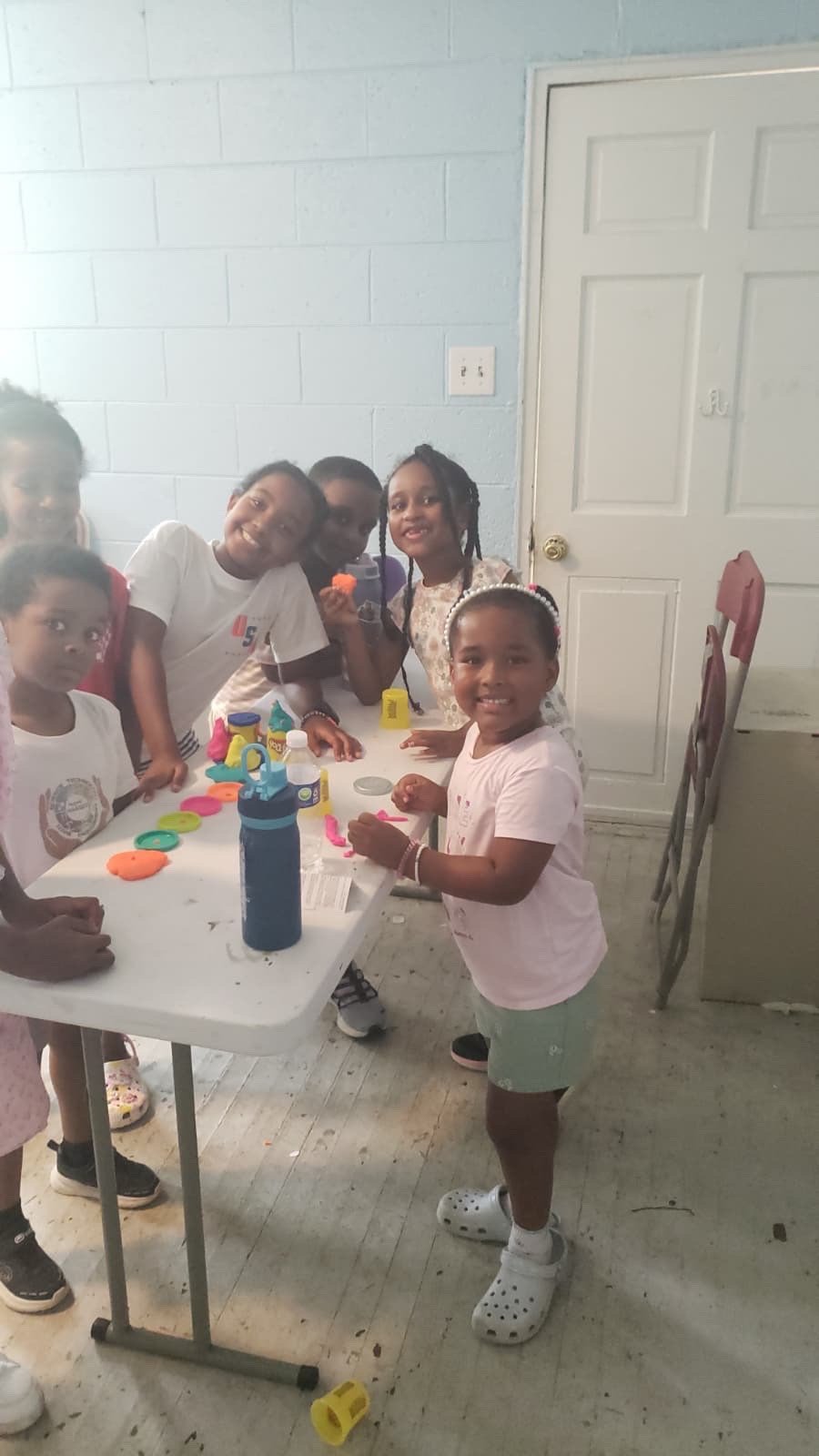
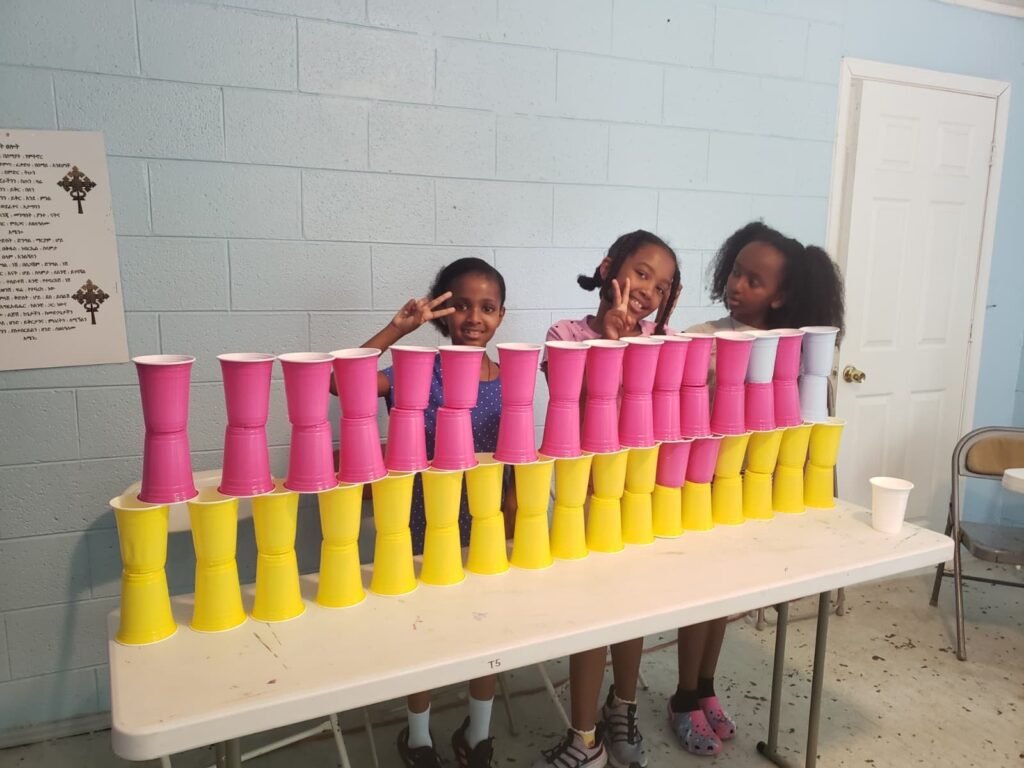
This summer was the largest in MAAQEF’s history. More than 60 students, from rising first graders to high school seniors, filled three classrooms every Saturday morning for eight weeks of hands-on science, engineering, design, and life skills. More than six new instructors joined us this year — engineers, business professionals, and technology leaders from local companies — and they brought fresh subjects, fresh energy, and a real willingness to get down on the floor with a group of seven-year-olds and a pile of paper cups.
Sessions ran from 10:30 to 12:30 each Saturday, beginning June 27. Students were grouped into three classrooms: grades 1–3 in the Yellow House, grades 4–7 in the Green Room, and grades 8–12 in the Trailer. Two of our biggest units — 3D modeling and personal finance — rotated between the older groups, so every student in grades 4 through 12 got both.
Week 1 — Building, Designing, and Making Sense of Money
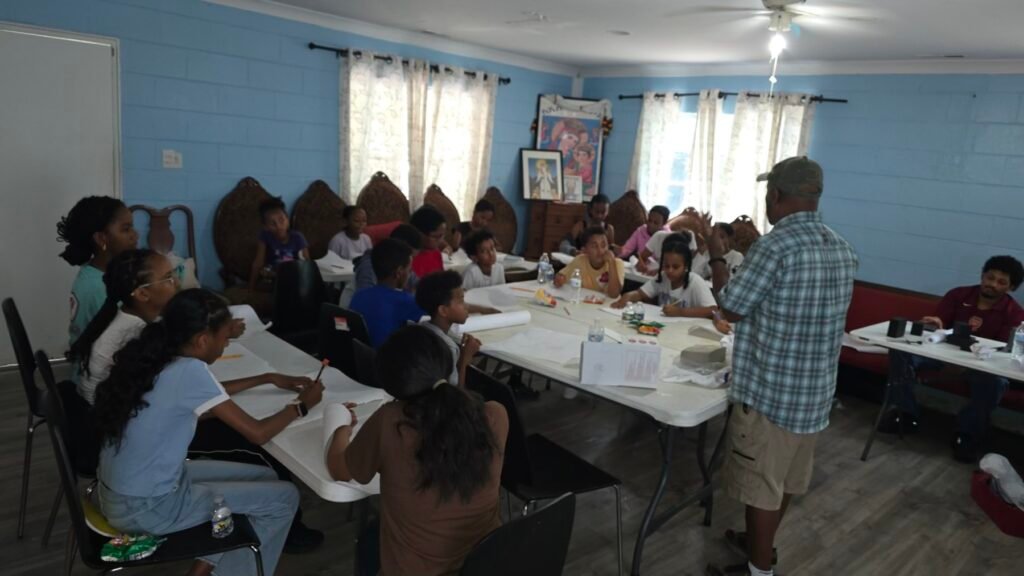
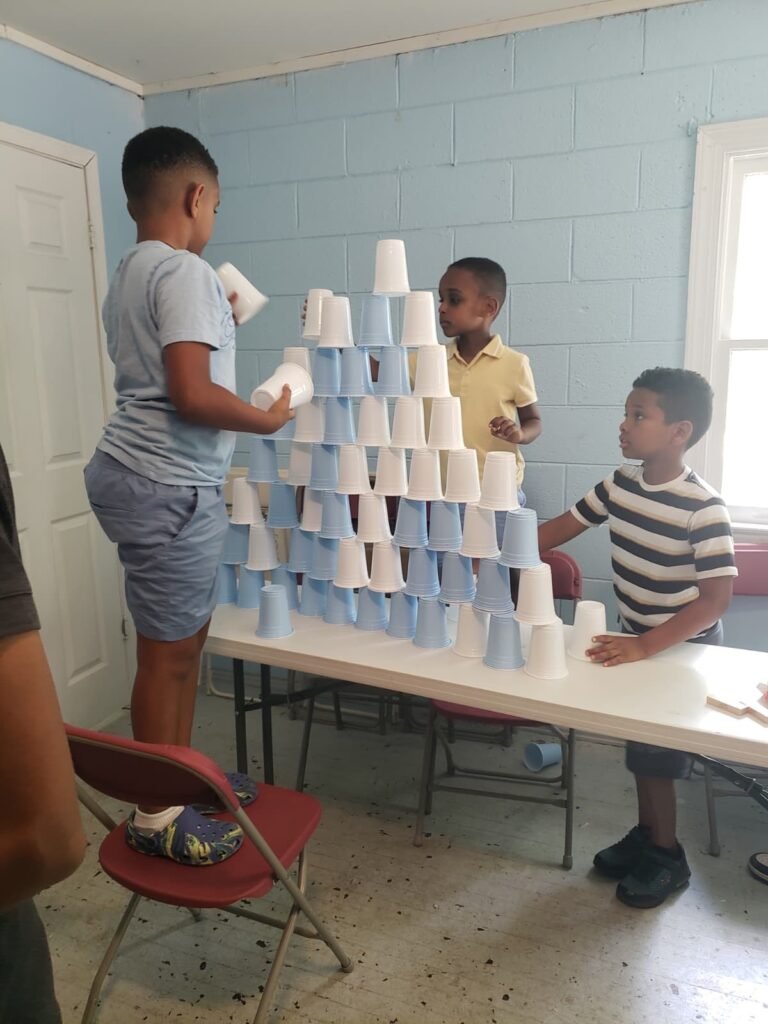
We opened on June 27. Our youngest students took on a building challenge: given a stack of cups and a table, teams had to plan, negotiate, and construct the tallest and most stable structures they could. What looked like play was really an exercise in communication, delegation, and problem-solving — and it doubled as a math lesson. As the pyramids went up row by row, students discovered the pattern hiding inside square numbers, including a quick trick for squaring any number ending in 5.
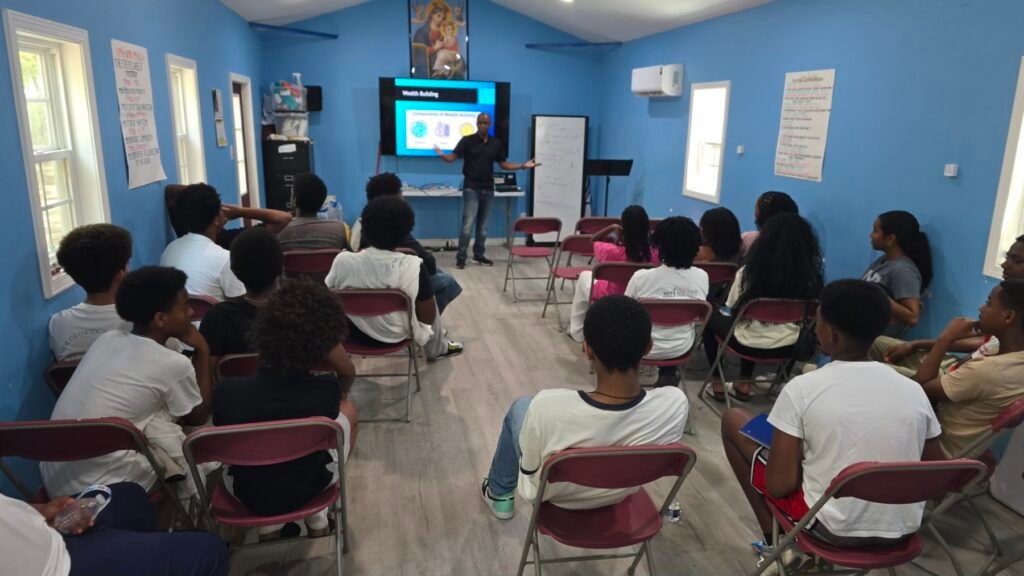
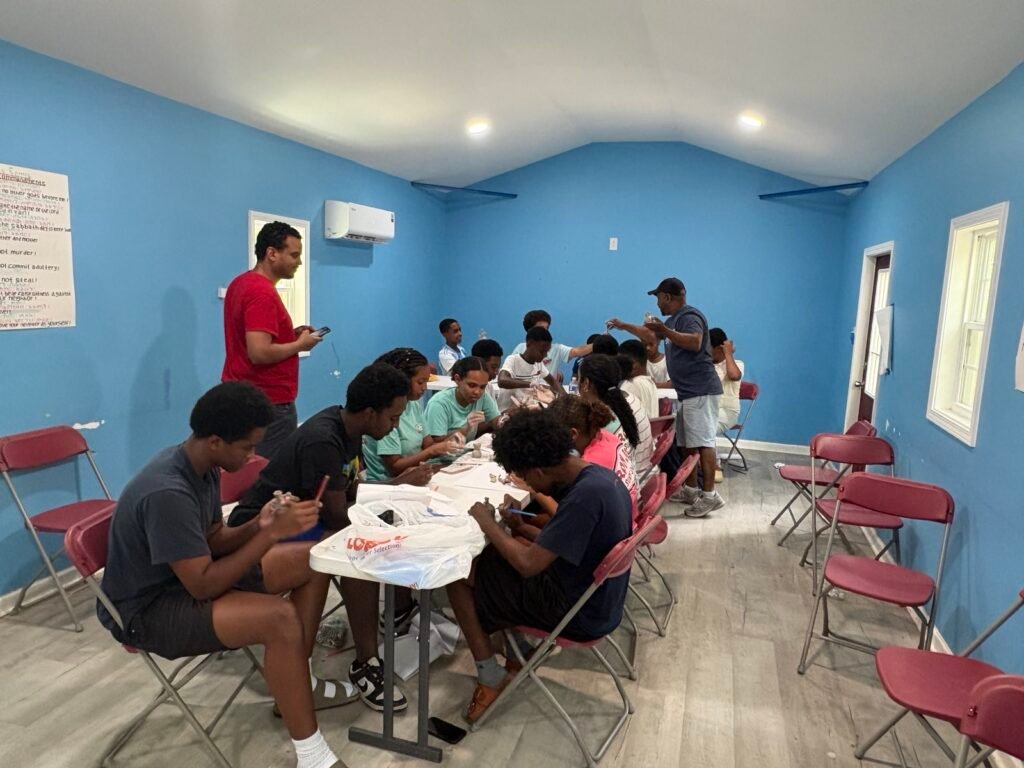
Grades 4–7 began **3D model design and manufacturing**, learning to think in three dimensions and turn an idea into a file a machine can build. Grades 8–12 started **Personal Finance Fundamentals** — budgeting, saving, smart spending, debt and credit, banking basics, investing, and the habits that hold it all together.
Week 2 — Switching Tracks
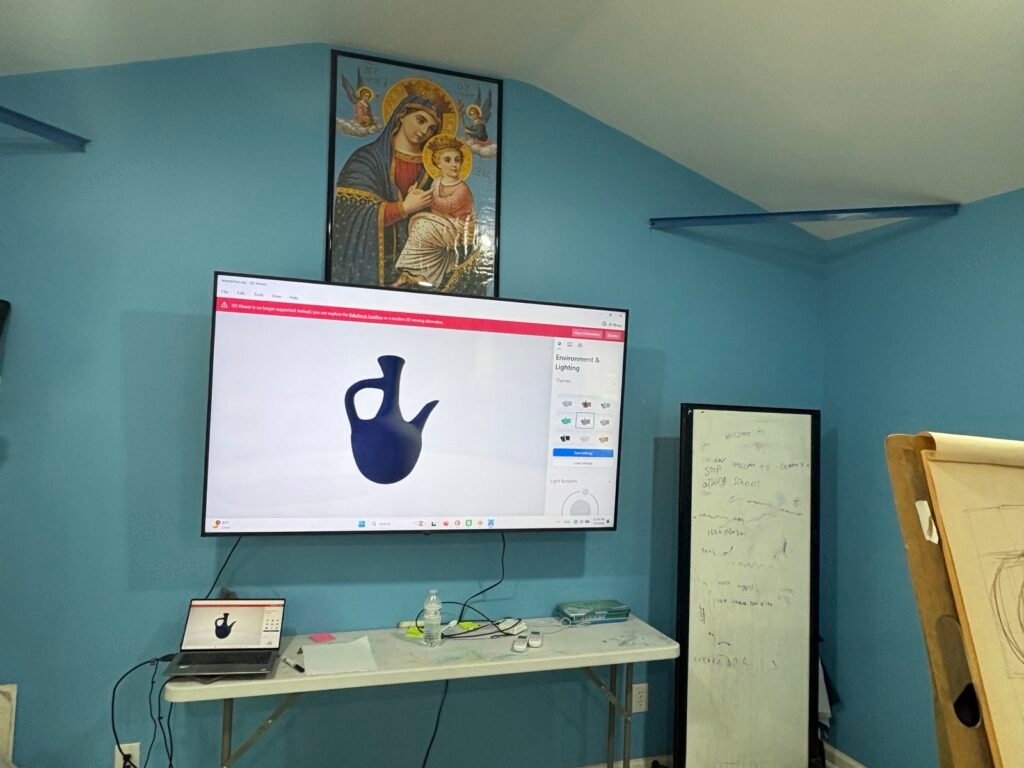
On July 4, the two older groups traded places. Grades 4–7 moved into Personal Finance and Money Skills, while grades 8–12 took on 3D Modeling and Manufacturing. Students worked through modeling exercises on their own laptops, and one project that drew a crowd was a fully modeled *jebena* — the traditional coffee pot — rendered and rotated on screen. Seeing something so familiar built from scratch in CAD made the software click for a lot of students.
Week 3 — Chemistry, Words, and Being Ready
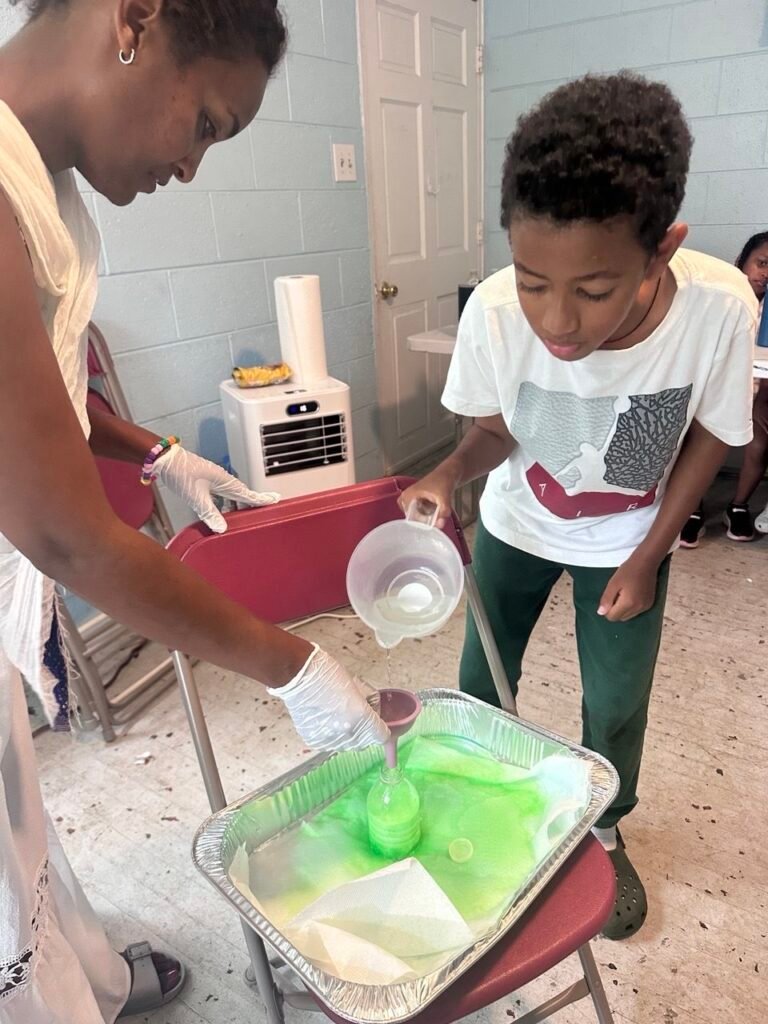
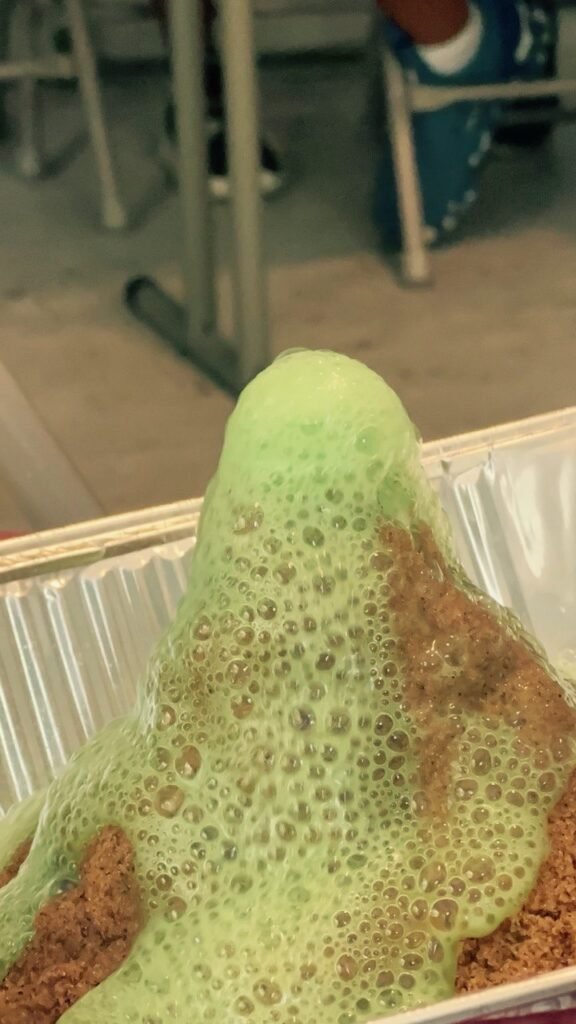
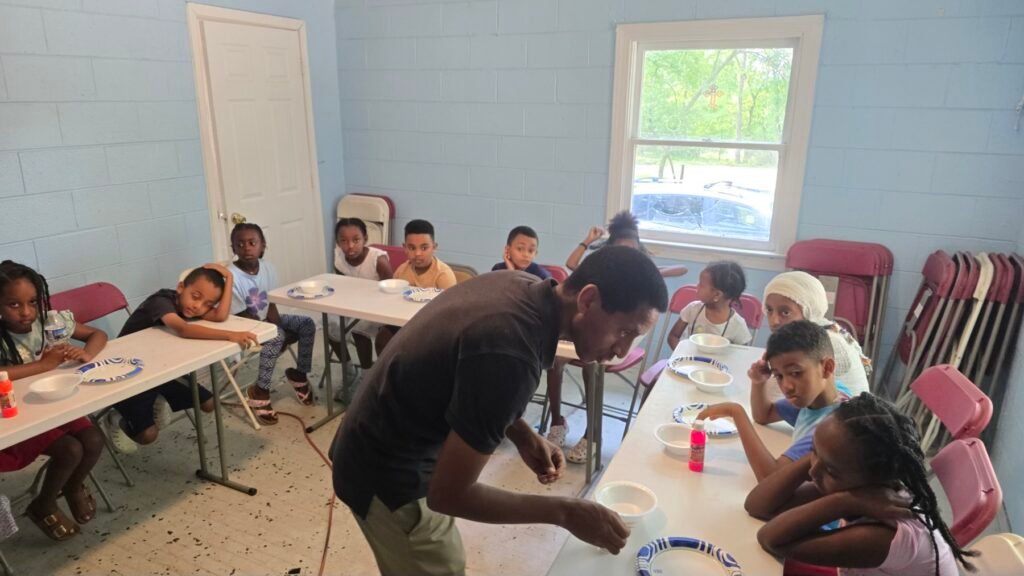
Week 3 brought one of the summer’s messiest and most memorable sessions. Grades 1–3 ran a soap and chemical reaction experiment, watching a foaming eruption climb out of its container and spill over the sides to genuine shrieks of delight.
The same group worked on **number words**, connecting written language to the quantities behind it.
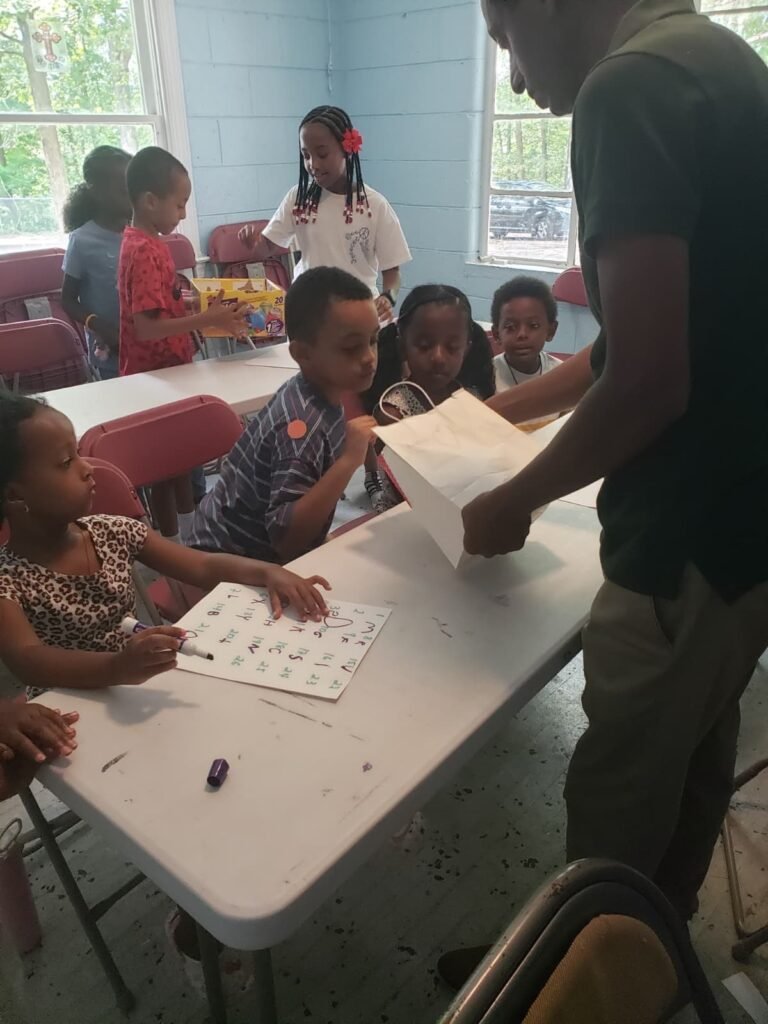
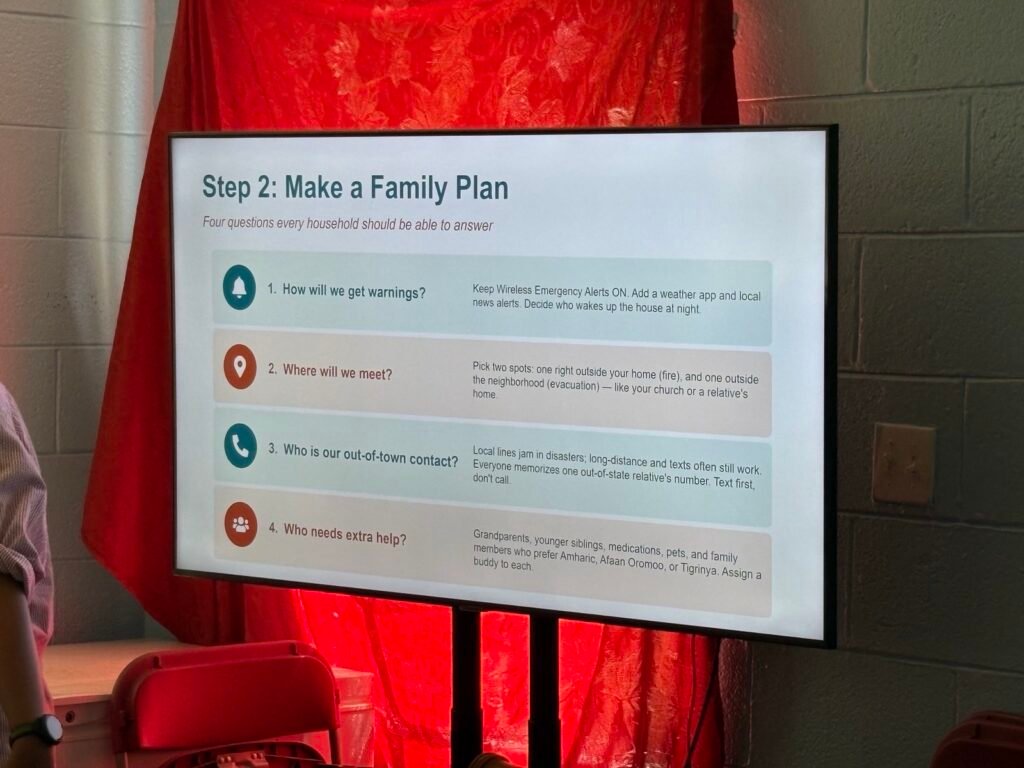
Grades 4–7 spent the morning on **emergency preparedness**, a subject that turned out to be more practical than anyone expected. Students learned how households receive warnings, how to choose two meeting points, why an out-of-town contact matters when local phone lines jam, and how to identify family members who will need extra help — grandparents, younger siblings, anyone who is more comfortable in Amharic, Afaan Oromoo, or Tigrinya than in English. Several students went home and started the conversation with their parents that same weekend.
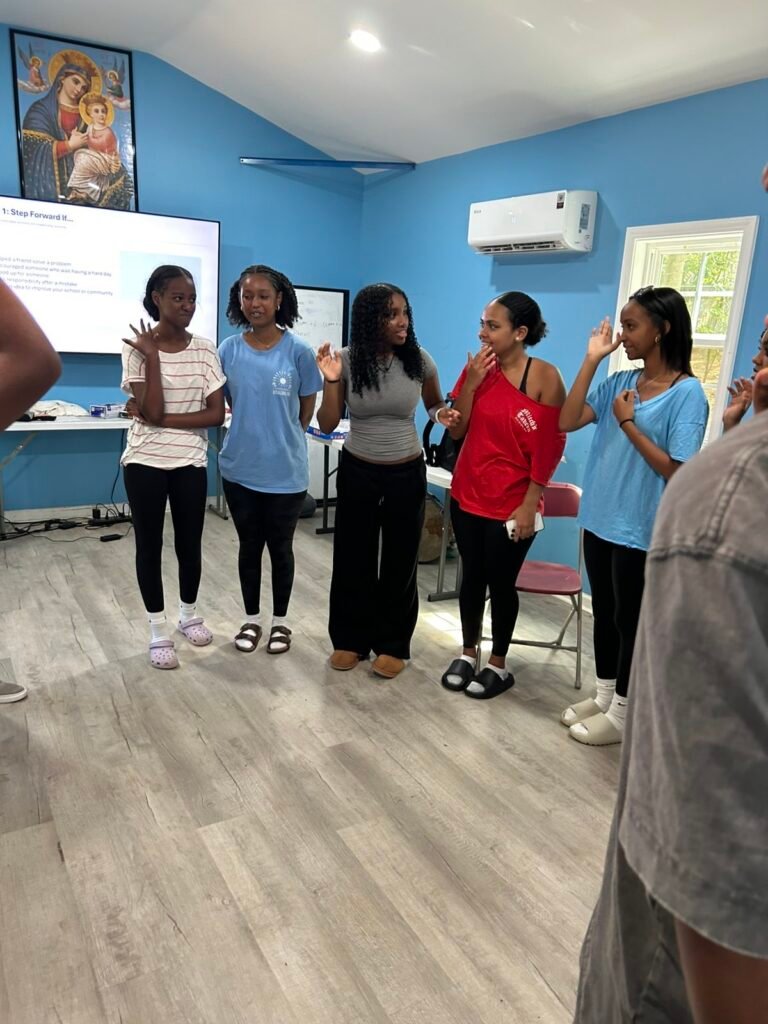
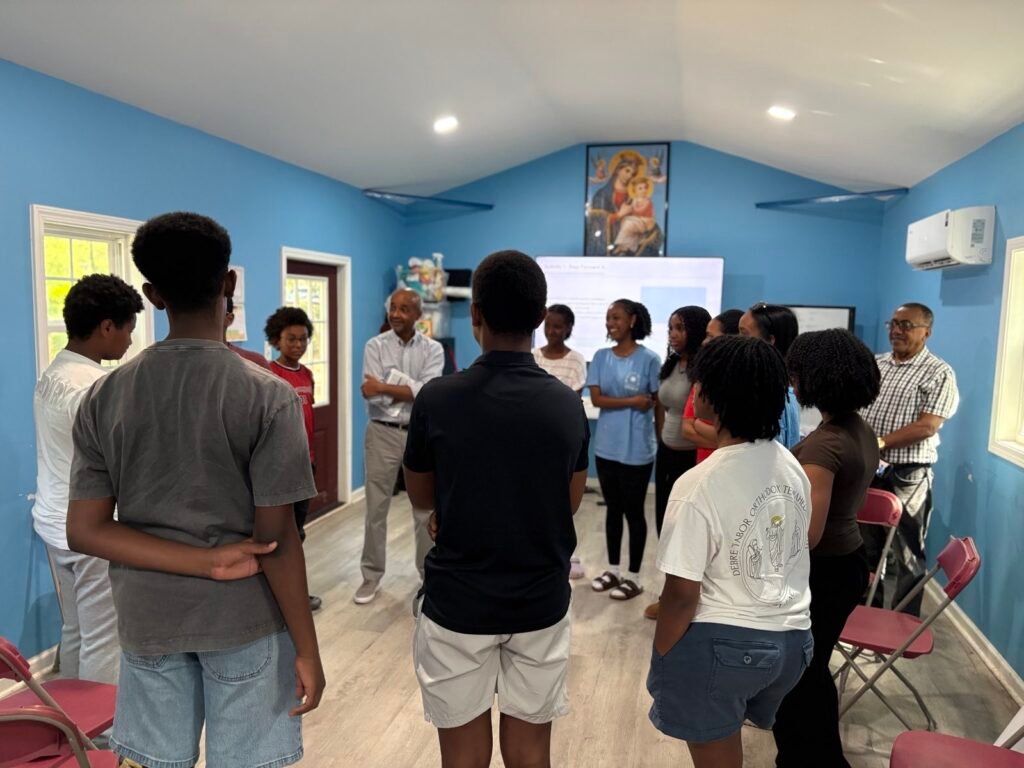
Grades 8–12 began a two-week Leadership Workshop, opening with a “step forward if…” exercise that got everyone out of their chairs and talking about the values and experiences they share.
## Week 4 — Surface Tension, Static Electricity, and Part Two
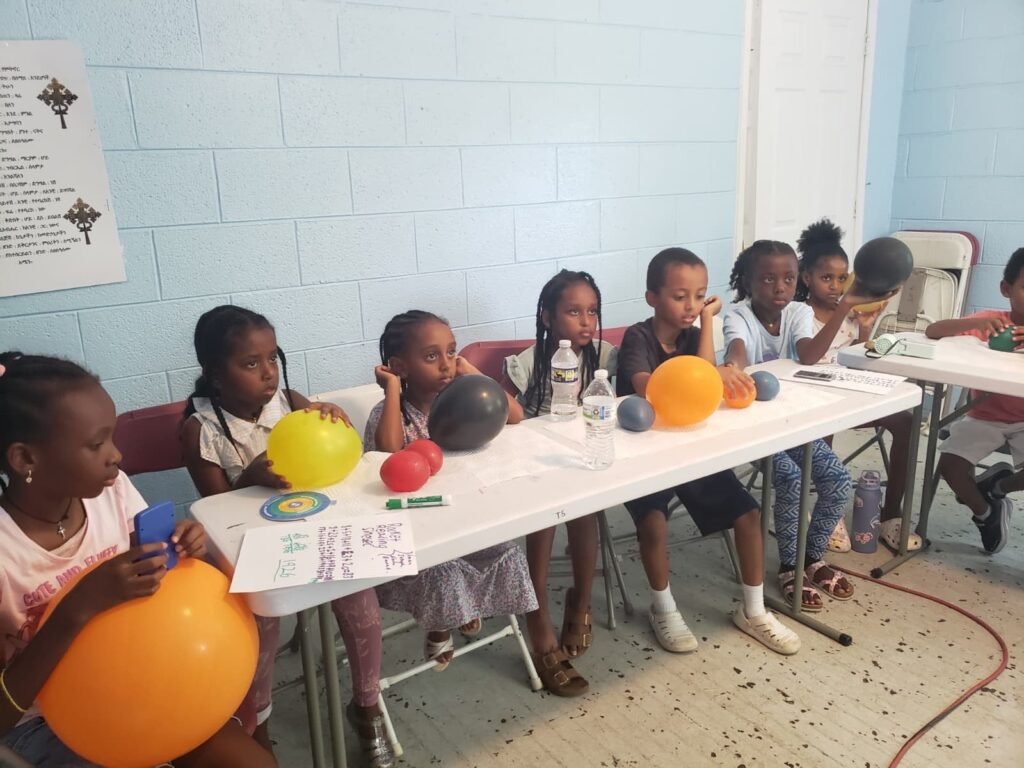
Our youngest students explored two classic experiments. In Broken Toothpick Stars, they snapped toothpicks at the middle, arranged the pieces, and added a drop of water — then watched the wood pull itself into a five-pointed star as capillary action did the work. In Balloon Mysteries, they charged balloons against their hair and clothes and tested what would stick, bend, or move without being touched.
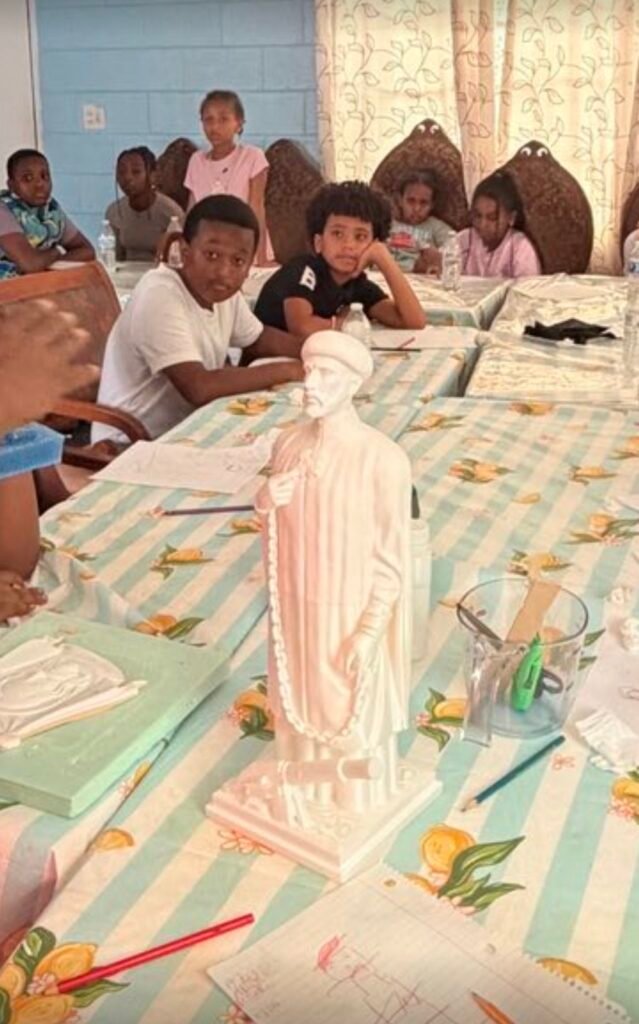
Grades 4–7 continued into **Design and Modeling, Part 2**, moving from screen to object. Finished prints came into the classroom so students could hold what a model becomes — including a detailed figurine and a relief plaque that got passed around the table.
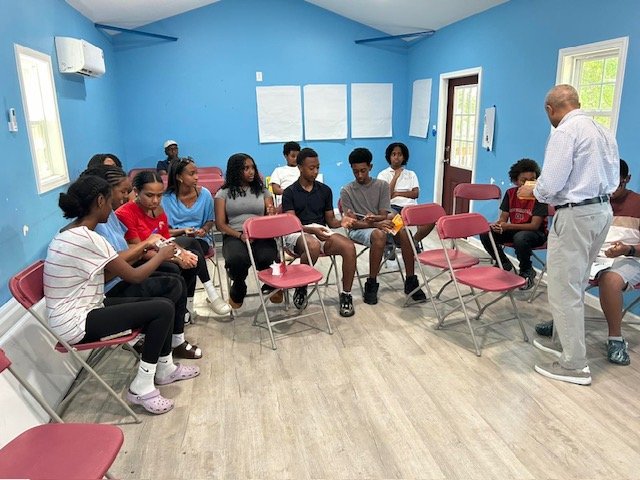
Grades 8–12 continued their **Leadership Workshop**, building on the previous week with discussion and small-group work.
Week 5 — Reactions, AI, and Water
Grades 1–3 took the **Mentos and Coke** reaction outside and followed it with a **coin tossing** activity that introduced probability through repetition — the more you flip, the clearer the pattern gets.
Grades 4–7 explored **AI: Your Superpower for Creativity**, learning to use AI tools as a partner for brainstorming and making rather than a shortcut around thinking.
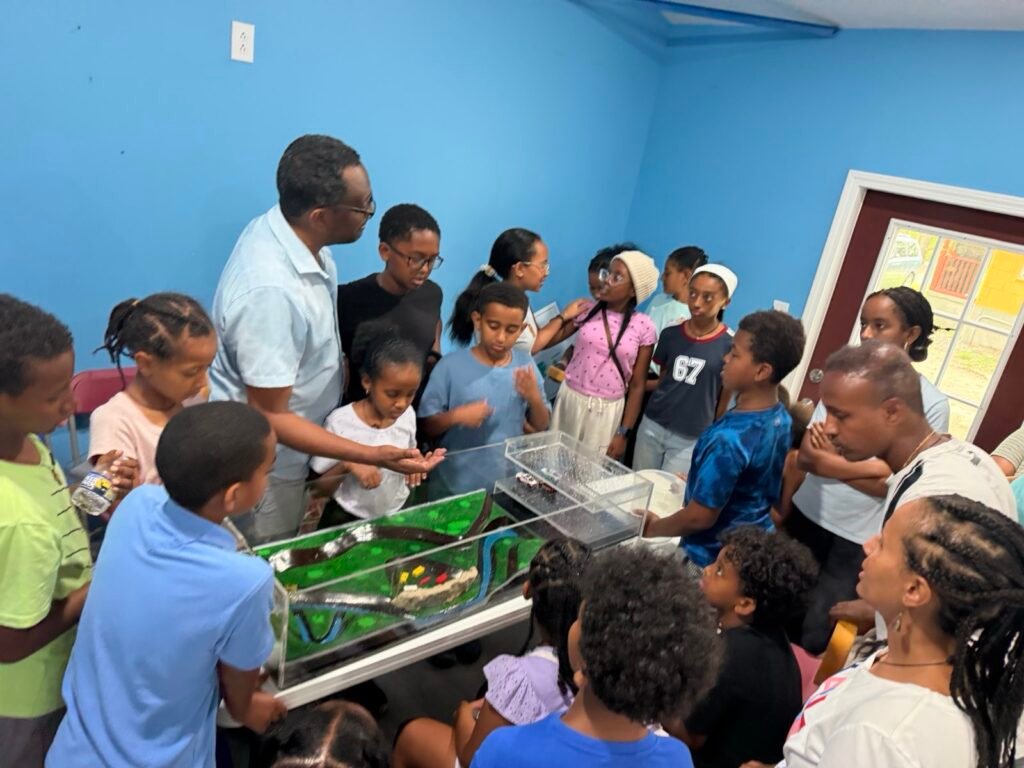
Grades 8–12 took on **Water Resources Engineering: Designing Resilient Communities**. Through an interactive case study, students stepped into the roles of engineers and community stakeholders, evaluated a real flooding challenge, and had to defend their proposed solutions to a room with competing priorities. A scale watershed model — roads, buildings, and a river channel built into a clear tank — drew students from every classroom, who crowded in to watch how water moves across a landscape and what happens when it has nowhere to go.
Week 6 — Catapults, Flowers, and Civil Engineering
Grades 1–3 built **catapults**, testing arm length and tension against distance, then shifted scale entirely to dissect and label **the anatomy of a flower**.
Grades 4–7 learned **how civil engineers build safe and resilient communities**, connecting the buildings, roads, and bridges students pass every day to the decisions and calculations behind them.
Grades 8–12 took their turn with AI: Your Superpower for Creativity
Week 7 — Patterns, Flight, and Current
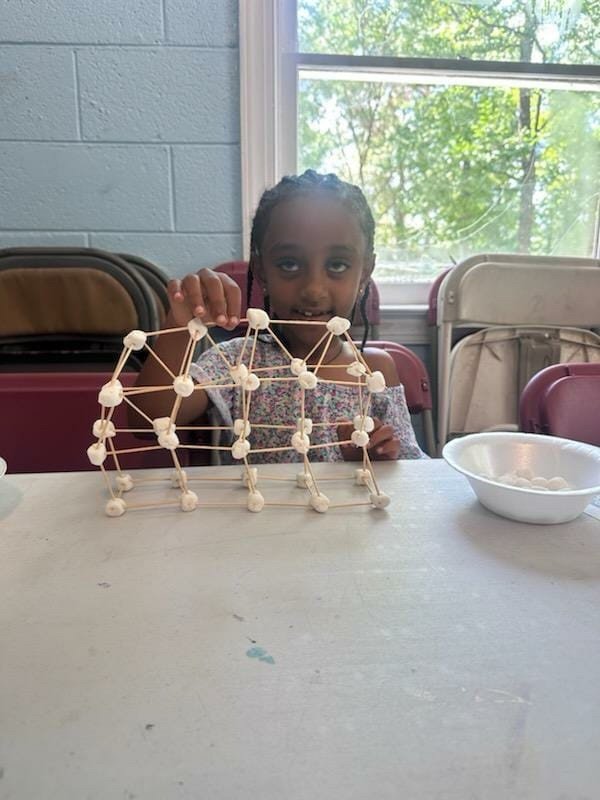
Grades 1–3 worked with 2D and 3D structures and mathematical patterns, returning to the geometry ideas that opened the summer with a stronger set of tools. Armed with toothpicks and marshmallows, students built open frameworks and quickly learned by trial what engineers know by rule: a square frame folds over, but a triangle holds. The structures that survived were the ones braced with triangles.
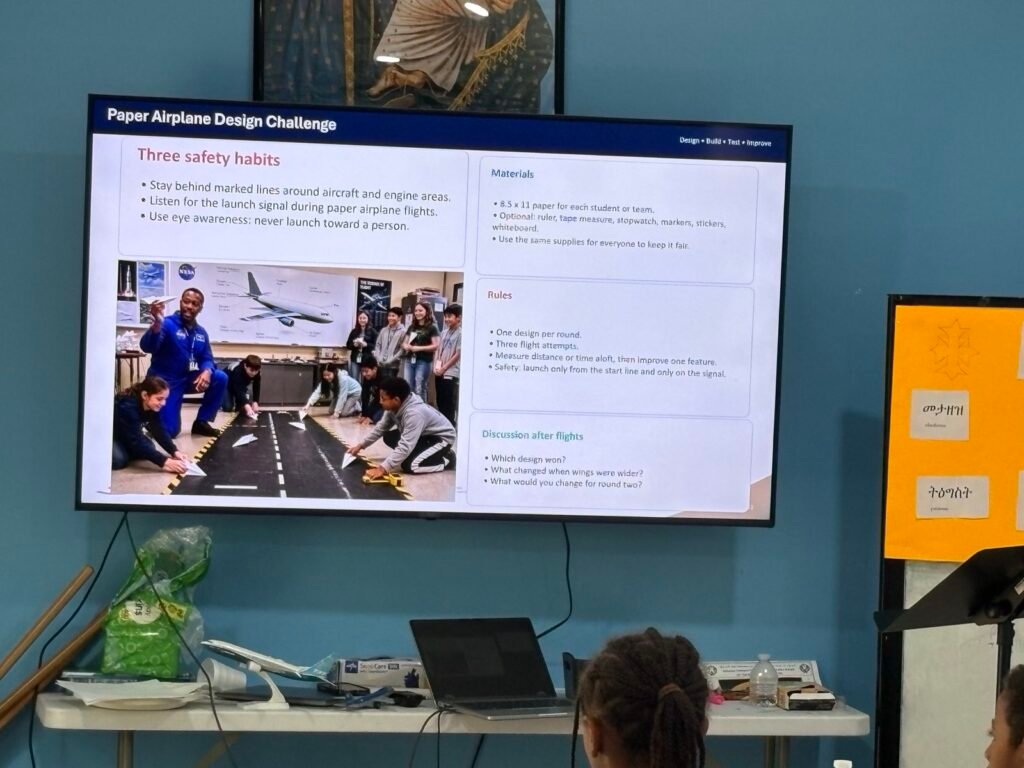
Grades 4–7 got an Introduction to Aviation — how aircraft stay up, how flight is controlled, and what the industry looks like as a career. The session ended with a paper airplane design challenge run like a real engineering test: one design per round, three flight attempts, measured distance and time aloft, then a single change before the next round. Students had to say what they were changing and why, and defend the result afterward.
Grades 8–12 took an Introduction to Electricity, covering current, voltage, resistance, and circuits.
We were especially glad to welcome two new instructors this week, both leaders at local technology companies, who volunteered their Saturday to teach and to show our students what a career in their field actually looks like.
Week 8 — Finishing Strong
Our final session was a celebration of everything the students had built, tested, argued about, and figured out over eight weeks. The 2026 graduation ceremony followed on Saturday, August 29.
Thank You
None of this happens without volunteers. Instructors gave up eight Saturdays to prepare lessons and teach. Parents arrived early to set up rooms, stayed late to clean them, and stepped into classrooms when an extra pair of hands was the difference between a good session and a great one — especially in grades 1–3, where a small team carried a very large group of very small people.
To every instructor, volunteer, and parent who showed up: thank you. And to our 60-plus students — you asked good questions, you made a mess, and you built things that worked. We can’t wait to see what you do next.
—
—